


Bilstein Motorhome Shocks
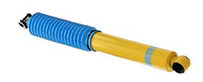
Motorhomes place demanding loads on their suspension because of their weight, height, and high center of gravity. Bilstein motorhome shocks are selected to control that movement on the appropriate chassis, helping address the repeated bouncing and unsettled body motion that can make a long drive tiring.
Match the motorhome chassis
Start with the chassis manufacturer, model, year, and axle configuration rather than the coach name alone. A motorhome can carry a coach model year different from its underlying chassis year. Front and rear shocks may also differ. Choose a Bilstein application intended for that chassis and suspension, not an ordinary light-truck shock selected only because the mounting ends appear similar. The correct dimensions and damping both matter when the vehicle is carrying substantial weight.
Monotube construction and nitrogen pressure
The Bilstein motorhome design uses high-pressure nitrogen gas, listed at 360 psi, with a seamless monotube body, machined valve components, and a hardened steel chrome rod. Gas pressure helps resist oil aeration, supporting consistent damping as the shock works. The monotube layout also transfers heat through the shock body. These are construction features, not an instruction to adjust or service the gas charge yourself. Follow the specific product's installation and service requirements.
What better damping can address
A shock controls the rate of suspension movement after bumps, dips, braking, and other inputs. Suitable damping can help reduce continued oscillation and improve the driver's sense of control. The B6/4600 motorhome applications are intended for that role. Results depend on the chassis and condition of the complete vehicle. No shock can eliminate every response to crosswinds, passing trucks, rough pavement, or abrupt steering inputs, and a firmer-feeling ride is not automatically a better-matched ride.
Check more than the shocks
Excessive sway or wandering can involve tire pressure, alignment, worn steering joints, bushings, sway-bar components, loading, or ride-height problems. Sagging springs need a spring-support diagnosis; conventional shocks do not restore their load-carrying ability. Inspect the suspension and steering before deciding that all unwanted movement comes from the dampers. If the motorhome has an air suspension system, confirm its ride height and condition as part of the assessment.
Prepare for the right replacement
Have chassis information and existing shock identification ready when asking for help. Note modifications, unusual mounts, and whether the concern occurs loaded, unloaded, or under a particular road condition. Check mounting hardware and bushings during replacement, and follow the chassis and shock instructions for installation. Replacing worn shocks can be a worthwhile improvement, but the correct application and a sound underlying suspension are more useful than a promise that one product will solve every handling complaint.
Applications and parts
The Benefits of Bilstein 4600 Series for Your RV
Watch the video
Related reading
More information
Frequently asked questions
Can I select motorhome shocks using only the RV brand?
Usually not. The chassis details identify the suspension more precisely and help distinguish front, rear, and other axle applications.
Will Bilstein shocks stop all wind-related movement?
No. Shocks can help control suspension motion, but wind response also depends on vehicle design, loading, tires, steering, and other suspension components.


